As a supplier of Insulin Disposable Syringes, I understand the importance of safe disposal of these medical tools. Insulin disposable syringes are crucial for diabetes management, but improper disposal can pose significant health and environmental risks. In this blog, I will share some essential information and guidelines on how to dispose of used insulin disposable syringes safely.
Understanding the Risks of Improper Disposal
Improper disposal of used insulin disposable syringes can lead to several serious problems. Firstly, there is a risk of needle - stick injuries. These injuries can occur to waste handlers, cleaners, or even children if the syringes are not handled correctly. Needle - stick injuries can transmit blood - borne diseases such as hepatitis B, hepatitis C, and HIV.
Secondly, environmental pollution is a concern. Syringes that end up in landfills or water bodies can harm wildlife. For example, animals may accidentally ingest the needles, leading to internal injuries and a slow and painful death. In addition, the plastic and metal components of the syringes take a long time to decompose, contributing to long - term environmental degradation.
Safe Disposal Methods
Use a Sharps Container
The most recommended way to dispose of used insulin disposable syringes is by using a sharps container. These containers are specifically designed to safely store sharp objects like syringes. They are usually made of puncture - resistant plastic and have a tight - fitting lid. When using a sharps container:
- Place the used syringe directly into the container immediately after use. Do not try to recap the syringe as this can increase the risk of needle - stick injuries.
- Once the container is about three - quarters full, it should be sealed. Do not overfill the container as this can make it difficult to seal properly and increase the risk of needles protruding.
There are different types of sharps containers available in the market. Some are small and portable, suitable for people who need to use insulin on - the - go, while others are larger and can be used at home. As a supplier, we also offer 1 Ml Disposable Syringe along with appropriate sharps container recommendations to ensure our customers have all the necessary tools for safe use and disposal.
Local Collection Programs
Many communities have local collection programs for sharps waste. These programs are often run by local health departments, pharmacies, or waste management companies. To participate in these programs:
- Check with your local health department or waste management facility to find out the nearest collection point.
- Follow the specific guidelines provided by the collection program. This may include requirements such as labeling the sharps container with your name and contact information.
Some collection programs also offer mail - back services. This is convenient for people who may not be able to transport the sharps container to a collection point. You can simply place the sealed sharps container in a pre - paid mailer and send it to the designated collection facility.
Home Disposal (as a Last Resort)
If there are no local collection programs available, home disposal can be considered as a last resort. However, it is important to follow strict guidelines to minimize the risks.
- First, make sure the sharps container is sealed tightly.
- Wrap the container in several layers of newspaper or place it in a sturdy plastic bag.
- Then, place the wrapped container in your regular household trash. This method should only be used when there are no other options, as it still poses some risks compared to professional collection programs.
Education and Awareness
As a supplier of insulin disposable syringes, we play a crucial role in educating our customers about safe disposal. When customers purchase our Insulin Disposable Syringes, we provide them with brochures or inserts that explain the importance of safe disposal and the available methods.
We also encourage healthcare providers to educate their patients on safe syringe disposal. This can be done during patient consultations or diabetes management classes. By increasing awareness, we can significantly reduce the number of improper syringe disposal cases and protect public health and the environment.
Regulatory Compliance
It is important to be aware of the local, state, and national regulations regarding the disposal of used medical sharps. Different regions may have different requirements, such as specific types of sharps containers, labeling requirements, or restrictions on home disposal. As a responsible supplier, we stay updated on these regulations and ensure that our customers are informed.
For instance, some areas require that sharps containers be marked with specific symbols or labels indicating the presence of medical sharps. Failure to comply with these regulations can result in fines or other penalties. Therefore, customers should always check the local regulations before disposing of their used insulin disposable syringes.
Supplier's Role in Safe Disposal
In addition to providing education and information, we as a supplier can also take steps to facilitate safe disposal. We can work with local waste management companies to establish convenient collection points for our customers. This can encourage more customers to dispose of their used syringes properly.
We also strive to improve the design of our insulin disposable syringes to make them more environmentally friendly. For example, we are exploring options to use more recyclable materials in the manufacturing process. This can reduce the environmental impact of the syringes at the end of their life cycle.
Conclusion
Safe disposal of used insulin disposable syringes is of utmost importance for protecting public health and the environment. As a supplier, we are committed to providing high - quality Insulin Disposable Syringes and ensuring that our customers have the knowledge and tools to dispose of them safely.
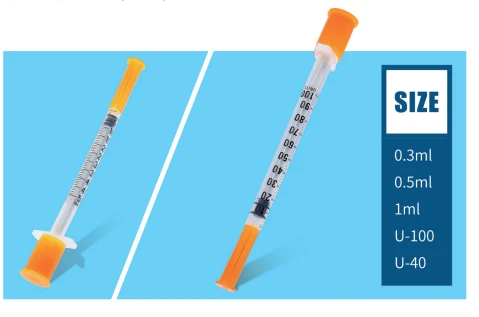

If you are interested in purchasing our insulin disposable syringes or have any questions about safe disposal, please feel free to reach out to start a procurement discussion. We look forward to serving your needs and contributing to a safer and healthier environment.
References
- Centers for Disease Control and Prevention (CDC). Safe Injection Practices.
- World Health Organization (WHO). Guidelines on Safe Injection Practices.
- Local Health Department Regulations on Medical Sharps Disposal.