Yo, folks! I'm someone who works at a high tension electric cable supplier. You might be wondering how these high tension electric cables affect the quality of power supply. Well, let's dig into it!


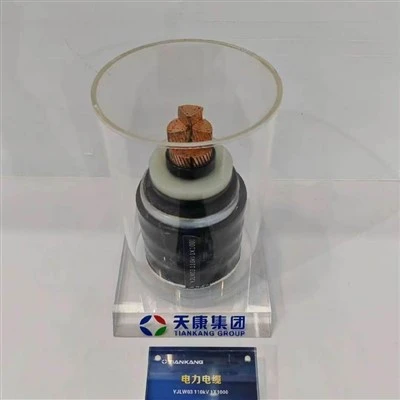
First off, what even are high tension electric cables? High tension electric cables are designed to carry large amounts of electrical power over long distances. High Tension Electric Cable These cables are a crucial part of the power transmission infrastructure, moving electricity from power plants to substations and then to our homes and workplaces.
One of the key ways high tension electric cables affect power supply quality is through resistance. All electrical cables have some level of resistance, which is a property that opposes the flow of electric current. When current passes through a high tension cable, the resistance causes some of the electrical energy to be converted into heat. This is known as resistive loss, or copper loss in the case of copper cables.
Resistive losses can have a significant impact on power supply quality. For one thing, they reduce the amount of power that actually reaches the end - users. The more resistive the cable, the more power is lost on the way. This means that power companies might need to generate more electricity to compensate for these losses, which can be costly and less environmentally friendly.
Another aspect is voltage drop. Voltage drop occurs when the voltage at the receiving end of the cable is lower than the voltage at the sending end. The resistance in the high tension cable is a major factor contributing to voltage drop. If the voltage drop is too large, it can lead to problems for the end - users. For example, electrical appliances might not work properly or might even get damaged if the voltage is too low. For instance, a light bulb might shine dimly, or a motor - driven device might run at a slower speed.
The insulation of high tension electric cables also plays a vital role in power supply quality. High - quality insulation is essential to prevent electrical leakage. If the insulation is damaged or of poor quality, electricity can leak out of the cable. This not only wastes power but can also pose a serious safety hazard. Electrical leakage can cause short - circuits, which can lead to power outages and even fires.
Moreover, the capacitance of high tension cables can affect the power factor of the electrical system. Capacitance is the ability of a cable to store electrical energy in an electric field. In an AC (alternating current) system, the power factor is a measure of how effectively electrical power is being used. A low power factor means that more current is required to deliver the same amount of real power, which can result in increased losses and reduced efficiency.
Now, let's talk about some of the different types of high tension cables and how they might affect power supply quality. Aluminum Alloy Cable Aluminum alloy cables are sometimes used as an alternative to traditional copper cables. Aluminum has a higher resistivity than copper, which means that an aluminum alloy cable might have slightly higher resistive losses compared to a copper cable of the same size. However, aluminum is lighter and less expensive, which can be advantages in certain applications.
Outdoor conditions also pose challenges to high tension electric cables and, in turn, power supply quality. Outdoor Low Voltage Cable Outdoor cables are exposed to various environmental factors such as extreme temperatures, humidity, sunlight, and weather events like storms and snow. These conditions can degrade the cable's insulation over time, leading to increased electrical leakage and a higher risk of failure.
For example, in very cold temperatures, the insulation material can become brittle and crack, increasing the chances of electrical shorts. In hot and humid conditions, moisture can penetrate the insulation, reducing its effectiveness. UV radiation from the sun can also damage the outer sheath of the cable, exposing the inner conductors to the elements.
As a supplier of high tension electric cables, we're constantly working to improve the quality of our products to minimize these negative impacts on power supply quality. We use advanced manufacturing techniques to ensure that our cables have low resistance and high - quality insulation. We also test our cables rigorously under different environmental conditions to make sure they can withstand the challenges of real - world use.
For example, we conduct various tests, including temperature cycling tests to simulate the effects of different weather conditions. We also test the cable's insulation resistance regularly to detect any potential issues early on.
If you're in the business of power generation, transmission, or distribution, choosing the right high tension electric cable is crucial. The quality of the cable can have a big impact on the overall efficiency and reliability of your power supply. A high - quality cable can reduce power losses, lower your operating costs, and improve the performance of your electrical system.
If you're interested in learning more about our high tension electric cables or would like to discuss your specific requirements, I'd encourage you to reach out. Our team of experts is always here to help you find the best solution for your power supply needs. Whether you're looking for a cable for a small - scale project or a large - scale power grid, we've got you covered.
In conclusion, high tension electric cables have a substantial impact on the quality of power supply. From resistive losses and voltage drop to insulation performance and environmental factors, there are many aspects to consider. But with the right products and proper maintenance, you can ensure a high - quality power supply.
References
- Power Systems Analysis, by John Grainger and William Stevenson
- Electrical Engineering Handbook, edited by Richard Dorf