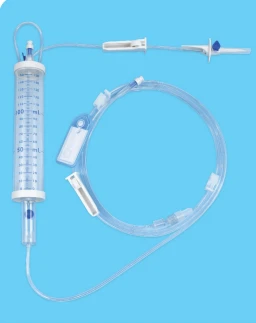
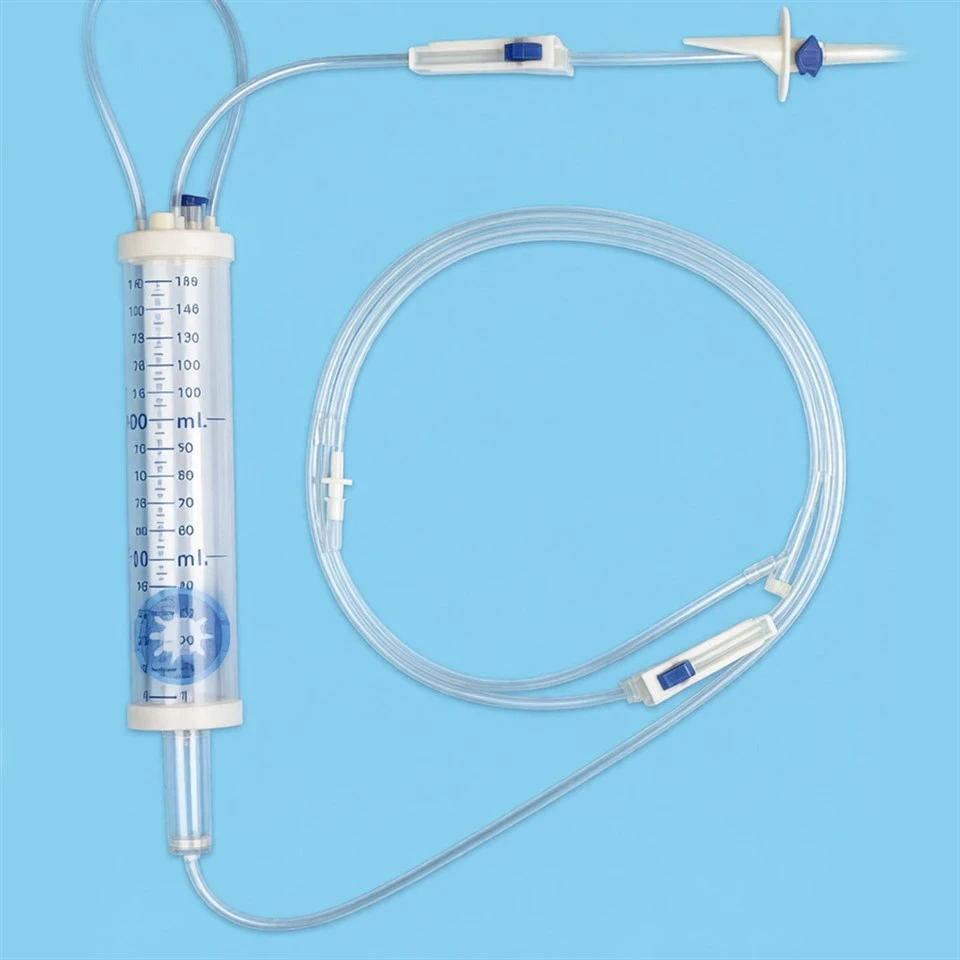
Priming a burette - type infusion set is a fundamental yet crucial procedure in the medical field. As a reliable supplier of Burette - type Infusion Set, we understand the significance of proper priming for effective and safe fluid administration. In this blog, we will detail the step - by - step process of priming a burette - type infusion set, discuss its importance, and offer some tips for avoiding common pitfalls.
The Importance of Priming
Priming is the process of filling the infusion set with the intended fluid, typically a medication or a saline solution, before connecting it to the patient. This process is vital for several reasons. Firstly, it ensures that the patient receives the correct dosage of the medication. Any air bubbles remaining in the tubing can alter the volume of the fluid delivered, leading to inaccurate dosing.
Secondly, it helps prevent air embolism, a life - threatening condition that occurs when air enters the bloodstream. Air bubbles can block blood vessels, disrupt blood flow, and cause damage to vital organs such as the heart, lungs, or brain. Finally, proper priming reduces the risk of contamination, ensuring that the fluid delivered to the patient is clean and free from foreign particles.
Step - by - Step Guide to Priming a Burette - Type Infusion Set
Step 1: Gather Necessary Supplies
Before you start priming the burette - type infusion set, you need to collect all the required supplies. These include the Burette - type Infusion Set, the prescribed fluid in a suitable container (such as a bottle or a bag), alcohol swabs for disinfection, and a clamp for the tubing.
Step 2: Check the Infusion Set
Inspect the burette - type infusion set for any visible damage or defects. Ensure that all the components, including the burette chamber, the tubing, the drip chamber, and the needle or catheter adapter, are intact and properly connected. If you notice any damage, do not use the set and replace it with a new one.
Step 3: Prepare the Fluid Container
Remove the cap of the fluid container and disinfect the rubber stopper with an alcohol swab. This helps prevent the introduction of microorganisms into the fluid during the priming process.
Step 4: Hang the Fluid Container
Hang the fluid container on an IV pole at an appropriate height. The higher the container is, the greater the gravitational force will assist in the flow of the fluid through the infusion set.
Step 5: Connect the Infusion Set to the Fluid Container
Insert the spike of the infusion set into the disinfected rubber stopper of the fluid container. Make sure it is inserted firmly to prevent leakage.
Step 6: Prime the Burette Chamber
Open the roller clamp on the tubing leading to the burette chamber. Allow the fluid to flow into the burette chamber until it reaches the desired level, usually marked on the chamber. This level is determined based on the prescribed dosage and the patient's needs. Once the appropriate level is reached, close the roller clamp.
Step 7: Prime the Tubing
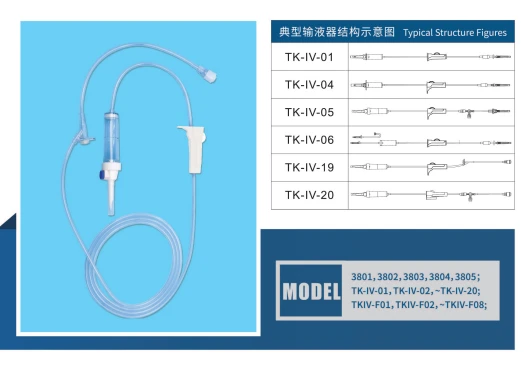
To prime the tubing, open the roller clamp on the tubing below the burette chamber. Hold the drip chamber vertically and gently squeeze it to create a vacuum. This will help the fluid flow into the drip chamber and start filling the tubing. As the fluid travels down the tubing, gently tap the tubing to release any air bubbles. Continue until the tubing is completely filled with fluid up to the end of the needle or catheter adapter.
Step 8: Check for Air Bubbles
Carefully inspect the entire length of the tubing, including the connectors and the drip chamber, for any remaining air bubbles. If you find any air bubbles, gently tap the tubing to dislodge them and allow them to rise into the drip chamber or the burette chamber. If large air bubbles persist, you may need to repeat the priming process.
Step 9: Clamp the Tubing
Once the infusion set is completely primed and free of air bubbles, close the roller clamp on the tubing. This will prevent further fluid flow until the set is ready to be connected to the patient.
Tips for Avoiding Common Pitfalls
- Slow and Steady Flow: When priming the tubing, be patient and allow the fluid to flow gently. A rapid flow can cause air to be trapped in the tubing and make it difficult to remove air bubbles.
- Proper Tapping: Tapping the tubing is an effective way to remove air bubbles. However, make sure to tap gently to avoid dislodging the connections or causing damage to the tubing.
- Inspect the Drip Chamber: The drip chamber is a common area where air bubbles can accumulate. Check it carefully and ensure that the fluid fills it properly without any air pockets.
Variations and Considerations
Some burette - type infusion sets come with special features, such as Burette - type Infusion Set with Float Valve. These valves are designed to prevent air from entering the tubing when the fluid level in the burette chamber is low. When using such a set, follow the manufacturer's instructions carefully, as the priming process may be slightly different.
In addition, different medical settings may have specific protocols for priming infusion sets. For example, in a surgical setting, strict aseptic techniques must be followed to prevent infection. In a home care setting, patients or caregivers may need additional training to perform the priming process correctly.
Conclusion
Priming a burette - type infusion set is a skill that requires attention to detail and proper technique. As a supplier of high - quality Burette - type Infusion Set, we are committed to providing products that meet the highest standards of safety and efficacy. By following the steps outlined in this blog and keeping the tips in mind, you can ensure a successful priming process and contribute to the safe and effective delivery of fluids to patients.
If you are interested in purchasing our burette - type infusion sets or other Disposable Infusion Set, we encourage you to reach out for procurement and negotiation. Our team is ready to assist you with any inquiries and provide you with the best solutions for your medical needs.
References
- Hospital Pharmacy and Therapeutics Committee. "Guidelines for the Safe Administration of Intravenous Fluids and Medications." Hospital Pharmacy Journal.
- Manufacturer's instructions for Burette - type Infusion Set and related products.
- Nursing textbooks on intravenous therapy and patient care.