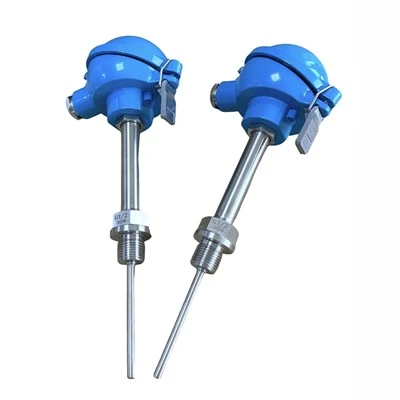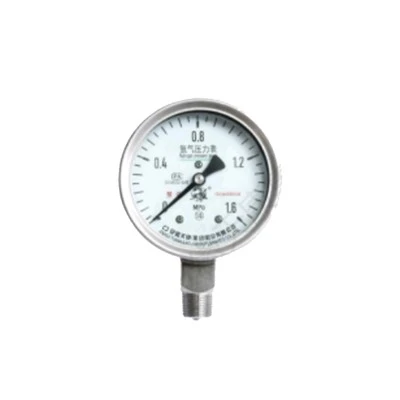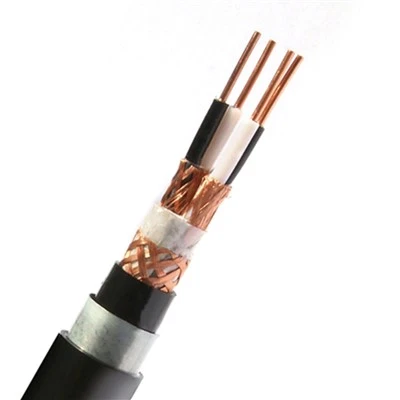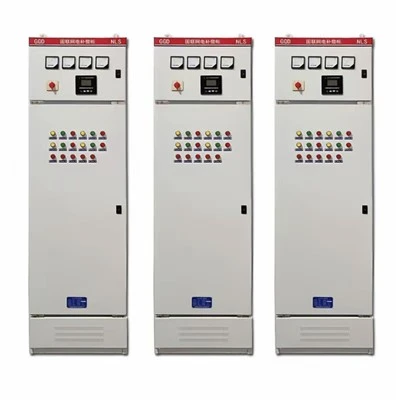
Instrumentation typically consists of sensors (signal sensing), transmitters (signal conversion), displays (data presentation), and control systems (data processing). For example, a urea/alcohol concentration meter uses a sensor to detect the concentration of the medium, converts the reading into an electrical signal via circuitry, and displays the value.
In industrial settings, instruments must meet rigorous standards regarding factors such as ingress protection (e.g., IP65 dust and water resistance), operating temperature range (e.g., -20°C to 200°C), and electrical safety (e.g., 24V DC power supply). Selection requires a comprehensive evaluation of parameters such as measurement range (e.g., 0 N to 3000 N), resolution (e.g., 2345 mm), and mounting method (e.g., flange connection).