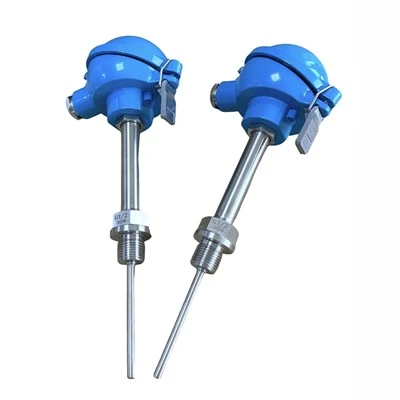
① The installation point for the primary temperature element should be selected where the medium temperature changes sensitively and representatively; locations near valves, welds, or other flow-resistance components, as well as areas with stagnant flow (dead zones), should be avoided. Local indicating thermometers must be installed in a location convenient for observation. Thermocouples should be installed away from magnetic fields. If a primary temperature element is installed at a pipe bend or at an incline, it should face against the direction of flow. When installing bimetallic thermometers on pipes ≤DN50, or resistance thermometers (RTDs) and thermocouples on pipes ≤DN70, an enlarged pipe section must be installed; this section must be fabricated according to standard drawings (see Chapter 10). The sensing bulb of a pressure-type thermometer must be fully immersed in the medium being measured.
② Secondary temperature instruments must be matched correctly. RTDs and thermocouples require corresponding secondary instruments or transmitters. Particular attention must be paid to the graduation number (calibration type); instruments with different graduation numbers must not be used interchangeably.
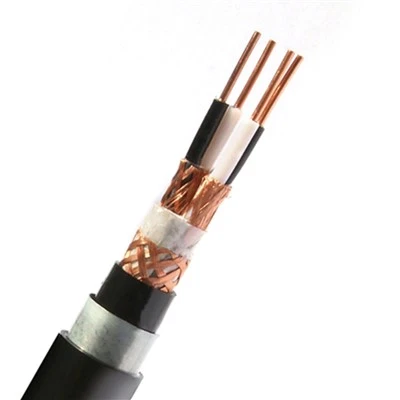
③ Thermocouples must use compensating lead wires with the corresponding graduation number. A three-wire connection method is recommended for RTDs to cancel out the effects of ambient temperature. Each secondary instrument has specific requirements for external circuit resistance; in addition to the resistance of the compensating lead wires or cables, manganin wire and a matching resistor must be used to meet the instrument's specifications.
④ For resistance elements, a three-core cable (or three cores of a four-core cable) is typically used; the resistance of each core can be measured using the following method.
⑤ Compensating lead wires or cables are connected to the thermocouple or RTD via flexible metal conduit.
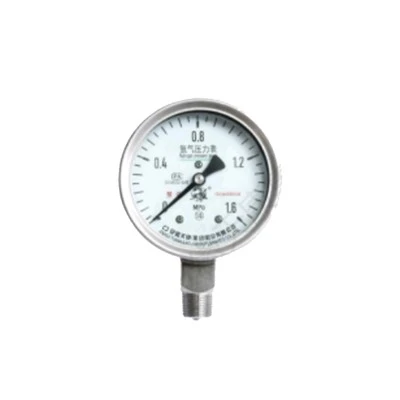
⑥ If both a primary pressure point and a primary temperature point exist on the same pipeline, the primary pressure point should be located upstream of the primary temperature point.
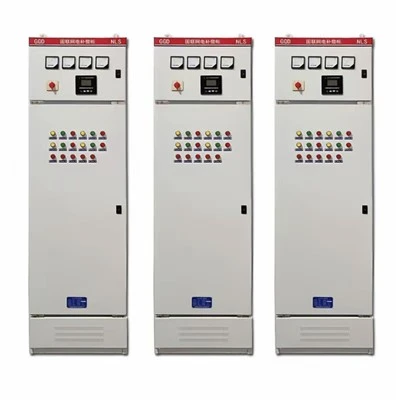
⑦ The installation of secondary temperature instruments is relatively simple. Once the individual instrument has been calibrated and passed inspection, it simply needs to be mounted on the designated instrument panel or frame according to the installation manual. Secondary temperature instruments are a category of display instruments that have evolved rapidly in recent years; most pointer-type secondary instruments (i.e., moving-coil indicators) are gradually being replaced by digital temperature displays with identical external dimensions, though the installation process remains largely unchanged.