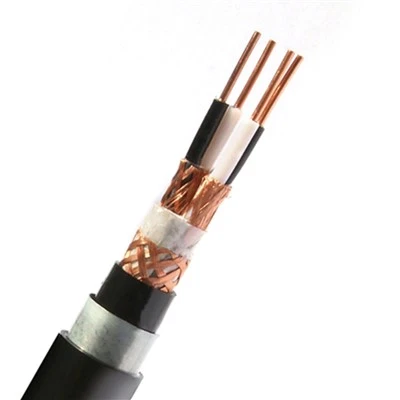
Specialty cables are wires and cables designed with unique properties for use in specific environments or applications; they are widely utilized in sectors such as defense, aerospace, petrochemicals, nuclear power, and rail transit. Key characteristics include high-temperature resistance (125–250°C or higher), corrosion resistance, flame retardancy, tensile strength, and low-smoke, zero-halogen (LSZH) capabilities. They are often manufactured using high-performance materials like polyethersulfone (PES) and polyether ether ketone (PEEK), with some products capable of withstanding temperatures exceeding 1,000°C or the extreme conditions of the deep sea.
Specialty cables come in a wide variety and can be classified in multiple ways based on performance characteristics, application areas, and specific functions. Categorized by performance and environmental adaptability, they include mineral-insulated cables, waterproof cables, high- and low-temperature resistant cables, anti-interference cables, and rail transit cables, as well as specialty-use cables such as those for wind energy, solar power, and robotics. Based on market prevalence and function, major categories include flame-retardant and fire-resistant power cables, LSZH cables, explosion-proof cables, flexible cables, cables for specialized environments, and high-temperature resistant cables [7]. Furthermore, technological advancements have led to the emergence of other important specialty cable types, such as electric vehicle charging cables, coal mining cables, deep-water watertight cables, and high-performance computing (HPC) cables.