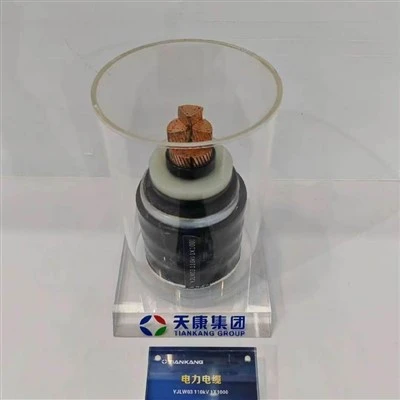
As a specialty cables supplier, I've witnessed firsthand the growing demand for high - performance cables in various industries. Over the years, one question that frequently arises from our clients is about the differences between domestic and imported specialty cables. In this blog, I'll delve into the key aspects that set these two types of cables apart.
Quality and Standards
One of the most significant differences between domestic and imported specialty cables lies in the quality and the standards they adhere to. Imported cables often come from countries with long - standing reputations for strict manufacturing regulations and high - end technology. For instance, European and Japanese cable manufacturers are known for their meticulous attention to detail and rigorous quality control processes. These manufacturers typically follow international standards such as ISO (International Organization for Standardization) and IEC (International Electrotechnical Commission).
On the other hand, domestic cables are subject to local standards. While many domestic manufacturers have made great strides in improving their quality and now meet or even exceed international standards, there can still be a perception gap. Some clients believe that imported cables offer a more consistent and reliable quality level. However, it's important to note that a well - established domestic specialty cables supplier can also produce cables that are of excellent quality, especially when they invest in research and development and modern manufacturing equipment.
Technology and Innovation
Imported specialty cables often showcase cutting - edge technology and innovation. Manufacturers in developed countries tend to invest heavily in research and development, which allows them to introduce new materials and manufacturing processes. For example, in the field of Nuclear Power Plant Cable, imported cables may use advanced insulation materials that offer better resistance to radiation, heat, and chemical corrosion. This is crucial in nuclear power plants where the safety and reliability of cables are of utmost importance.
Domestic cable manufacturers are also making rapid progress in terms of technology and innovation. With the support of the government and an increasing focus on self - sufficiency, many domestic companies are developing their own proprietary technologies. They are collaborating with research institutions and universities to improve cable performance, such as enhancing the transmission speed and reducing signal loss in Photoelectric Composite Cable. However, in some niche and high - end application areas, imported cables may still have an edge due to their earlier entry into the market and more extensive R & D experience.
Cost
Cost is another major differentiator between domestic and imported specialty cables. Generally speaking, imported cables are more expensive. This is mainly due to several factors. Firstly, there are additional costs associated with importation, such as tariffs, shipping fees, and customs clearance charges. Secondly, the high - end technology and brand value of imported cables also contribute to their higher price tags.

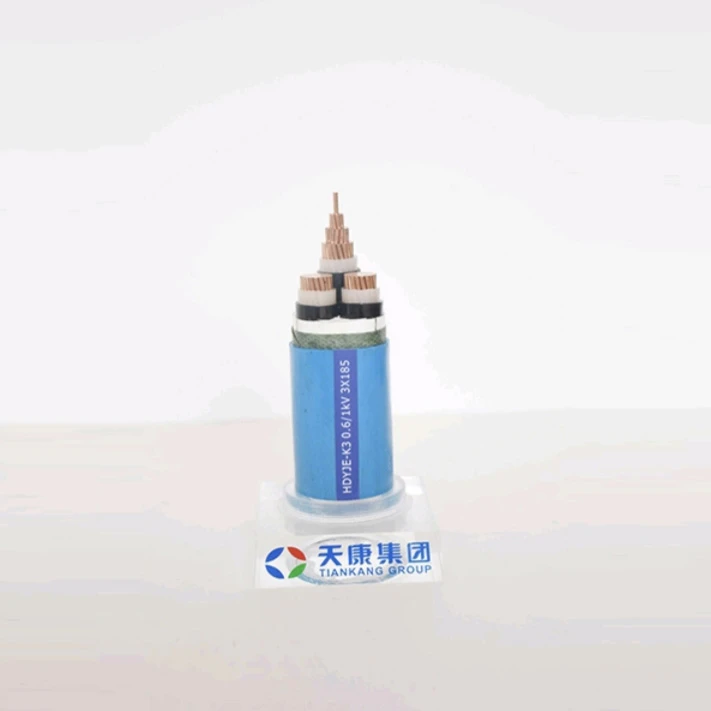
Domestic cables, on the other hand, are often more cost - effective. Domestic manufacturers have lower labor costs and a closer proximity to raw material suppliers, which allows them to produce cables at a lower cost. This cost advantage makes domestic cables a more attractive option for many clients, especially those with budget constraints or large - scale projects. However, it's essential to balance cost with quality. Sometimes, the slightly higher price of imported cables may be justified if the application requires extremely high - performance and reliability.
Delivery Time
Delivery time can vary significantly between domestic and imported specialty cables. Imported cables usually have a longer lead time. The manufacturing process in foreign countries, combined with the logistics of shipping across borders, can add weeks or even months to the delivery time. This can be a major drawback for projects with tight deadlines.
Domestic cables generally have a much shorter delivery time. Local manufacturers can respond quickly to orders, and the transportation within the country is relatively fast. For clients who need cables urgently, domestic suppliers often offer a more viable solution. In addition, domestic suppliers can also provide better after - sales service in terms of quick replacement and on - site technical support.
Customization Ability
Both domestic and imported specialty cables suppliers can provide customized solutions. However, domestic suppliers may have an edge in this area. Domestic manufacturers are more familiar with the local market and customer needs, which allows them to respond more flexibly to customization requests. They can quickly adjust their production lines and processes to meet specific requirements, such as cable length, color, and connector type.
Although imported suppliers can also offer customization, the process may be more complex and time - consuming. They may need to follow their standard procedures and may face challenges in communicating with clients due to language and cultural differences.
In conclusion, both domestic and imported specialty cables have their own advantages and disadvantages. When choosing between them, clients should consider various factors such as the application requirements, budget, delivery time, and customization needs. As a specialty cables supplier, we are committed to providing our clients with the best - suited cables, whether they are domestic or imported.
If you are in need of specialty cables for your project, I encourage you to reach out to us for a detailed consultation. We have a team of experts who can help you analyze your needs and recommend the most appropriate cable solutions. Whether you are looking for cost - effective domestic cables or high - end imported ones, we can assist you in making an informed decision and ensuring a smooth purchasing process.
References
- Industry reports on cable manufacturing and technology trends
- Interviews with cable industry experts and professionals
- Publications on international and domestic cable standards