Hey there! As a supplier of protective equipment, I often get asked about safety certifications for the gear we offer. It's super important because these certifications ensure that the products are up to the mark in terms of safety and quality. So, let's dive into what these safety certifications are all about.
Why Safety Certifications Matter
First off, why do we even need safety certifications? Well, think about it. When you're using protective equipment, whether it's a face mask during a pandemic, a protective suit in a medical setting, or goggles in a laboratory, you want to be sure that it's actually protecting you. Safety certifications act as a stamp of approval from recognized organizations that the product has met certain standards of performance, quality, and safety.
For us as a supplier, having certified products is crucial. It builds trust with our customers. They know that when they buy from us, they're getting reliable protective equipment that has been tested and verified. And for end - users, it gives peace of mind, knowing they're using something that has passed rigorous tests.
Common Safety Certifications for Protective Equipment
CE Certification
One of the most well - known certifications in the European market is the CE mark. The CE stands for "Conformité Européene," which means European Conformity. If a protective equipment product has the CE mark, it indicates that it meets the essential health and safety requirements of the European Union.
For example, our Ultra Health Disposable Face Mask has the CE certification. This means that it has been tested to ensure it provides a certain level of protection against particles and is comfortable to wear. The CE certification process involves several steps, including a technical documentation review, product testing, and in some cases, factory inspections.
FDA Approval
In the United States, the Food and Drug Administration (FDA) plays a big role in regulating protective equipment. The FDA approval ensures that the products are safe and effective for their intended use. Medical protective equipment, like our Disposable Medical Protective Suit, needs to go through a pre - market review process.
This process can vary depending on the type of product. For some lower - risk products, it might involve a simple notification to the FDA. For higher - risk products, like certain types of surgical masks or protective suits used in high - infection areas, a more in - depth pre - market approval is required. The FDA also conducts regular inspections of manufacturing facilities to ensure ongoing compliance.
NIOSH Certification
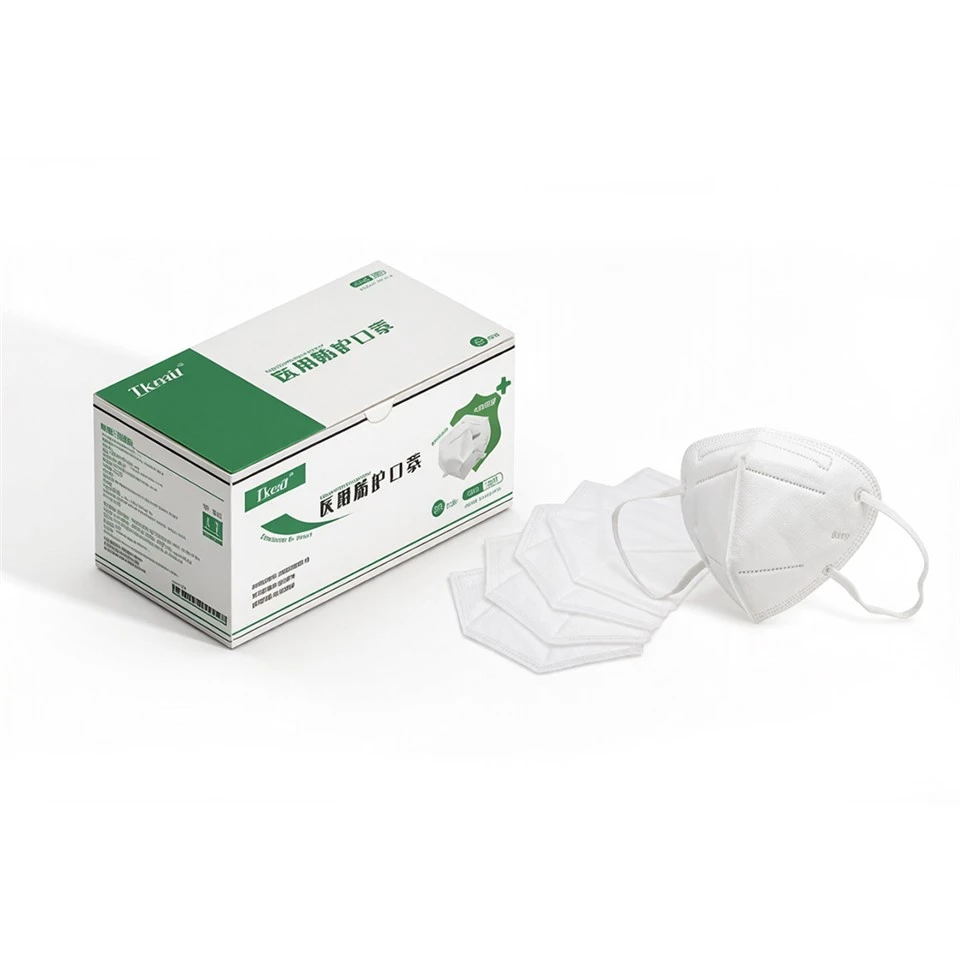
The National Institute for Occupational Safety and Health (NIOSH) is an agency in the United States that focuses on protecting workers' health. NIOSH certification is mainly associated with respiratory protective equipment. Our Foldable Medical Protective Mask, if it's a respirator, may need to be NIOSH - certified.
NIOSH sets standards for different classes of respirators, such as N95, N99, and P100. These ratings indicate the level of filtration efficiency against different types of particles. To get NIOSH certification, manufacturers need to submit their products for testing at NIOSH - approved laboratories. The tests evaluate factors like filtration efficiency, breathing resistance, and fit.
ISO Standards
The International Organization for Standardization (ISO) develops international standards for a wide range of products, including protective equipment. ISO standards are recognized globally and provide a common framework for manufacturers to follow.
For example, ISO 13485 is a standard specifically for medical device manufacturers. It focuses on the quality management system for medical devices, which includes protective equipment like our Medical Protective Goggles. Complying with ISO 13485 ensures that the manufacturer has proper processes in place for design, development, production, installation, and servicing of medical devices.
How We Ensure Our Products Meet Certifications
At our company, we take safety certifications very seriously. We have a dedicated team that works on ensuring that all our products meet the relevant safety standards. First, we carefully select our materials. We only source from trusted suppliers who can provide high - quality raw materials that are suitable for protective equipment production.
During the manufacturing process, we have strict quality control measures in place. We conduct regular in - house tests to check the quality of the products at different stages. This includes tests for filtration efficiency, tear resistance, and liquid barrier properties.
We also work closely with independent testing laboratories. They conduct more comprehensive and objective tests to ensure that our products meet the exact requirements of the certifications. Once the products pass the tests, we can proudly display the relevant certifications on our products and packaging, so our customers know they're getting top - notch protective equipment.
Customer Assurance
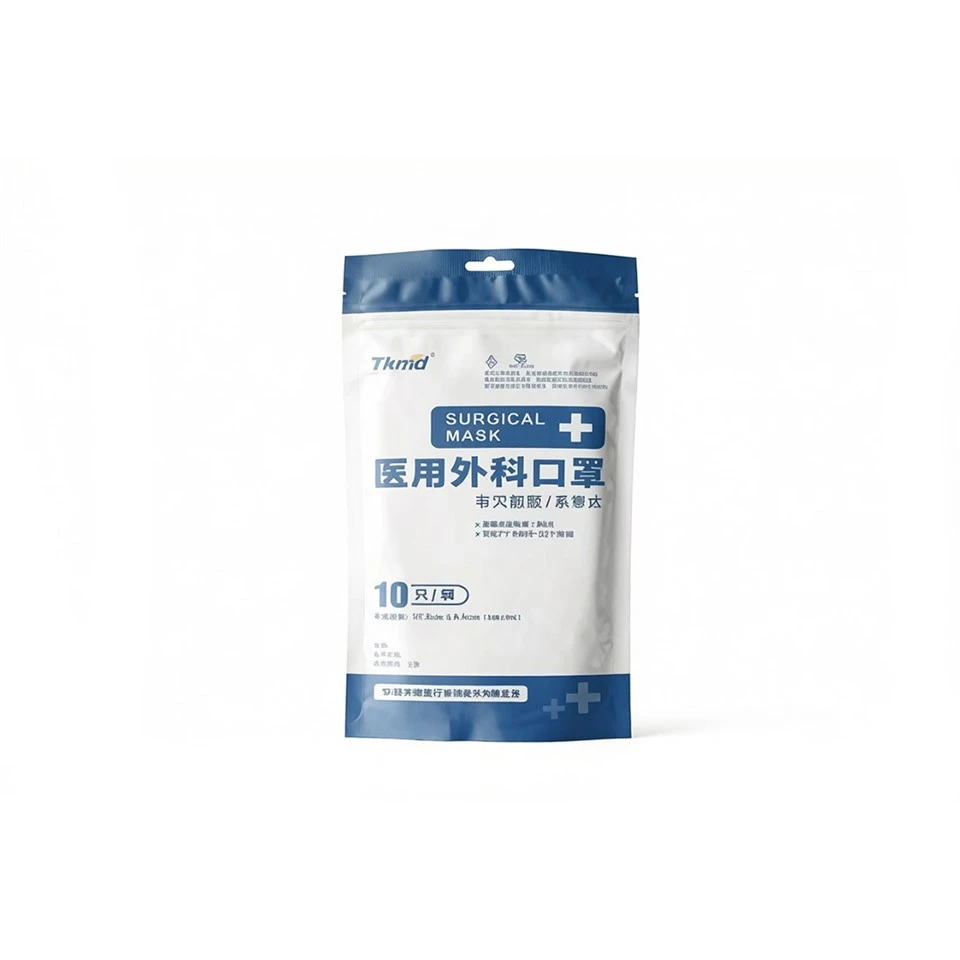
When you buy our protective equipment, you can be confident that you're getting certified products. We understand that in today's world, safety is of utmost importance. Whether it's in a healthcare setting, a workplace environment, or just for personal use, our Colored Surgical Masks and other products are designed to provide reliable protection.
If you have any questions about the safety certifications of our products, feel free to reach out. We're always happy to provide more information and details about the testing and certification processes.
Time to Connect
If you're in the market for high - quality, certified protective equipment, look no further. We're here to meet your needs. Whether you're a small business, a large hospital, or an individual looking for reliable protection, we have the right products for you. So, don't hesitate to get in touch and start the conversation about your purchase. Let's work together to ensure your safety and the safety of those around you.
References
- European Commission. (2023). CE marking. Retrieved from relevant official EU source.
- U.S. Food and Drug Administration. (2023). Medical device regulations. Retrieved from FDA official website.
- National Institute for Occupational Safety and Health. (2023). Respirator certification. Retrieved from NIOSH official website.
- International Organization for Standardization. (2023). ISO standards for medical devices. Retrieved from ISO official website.