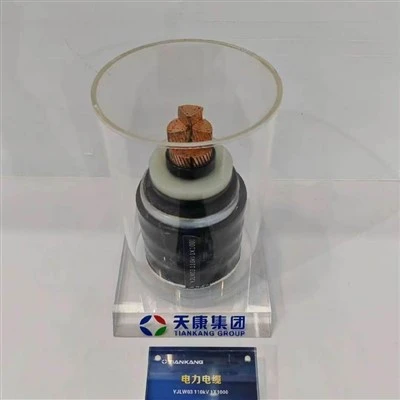
Can outdoor low voltage cable be used for electric fences?
As a supplier of Outdoor Low Voltage Cable, this is a question I'm often asked by customers. Electric fences are a crucial tool for many applications, from containing livestock to deterring wildlife. The choice of cable is a critical factor in ensuring the effectiveness and safety of an electric fence.
Understanding Outdoor Low Voltage Cables
Outdoor low voltage cables are designed for use in external environments, where they need to withstand various weather conditions, UV exposure, and physical stress. These cables typically operate at voltages ranging from a few volts to around 1000 volts. They are used in a wide range of applications, such as landscape lighting, security systems, and small-scale power distribution.
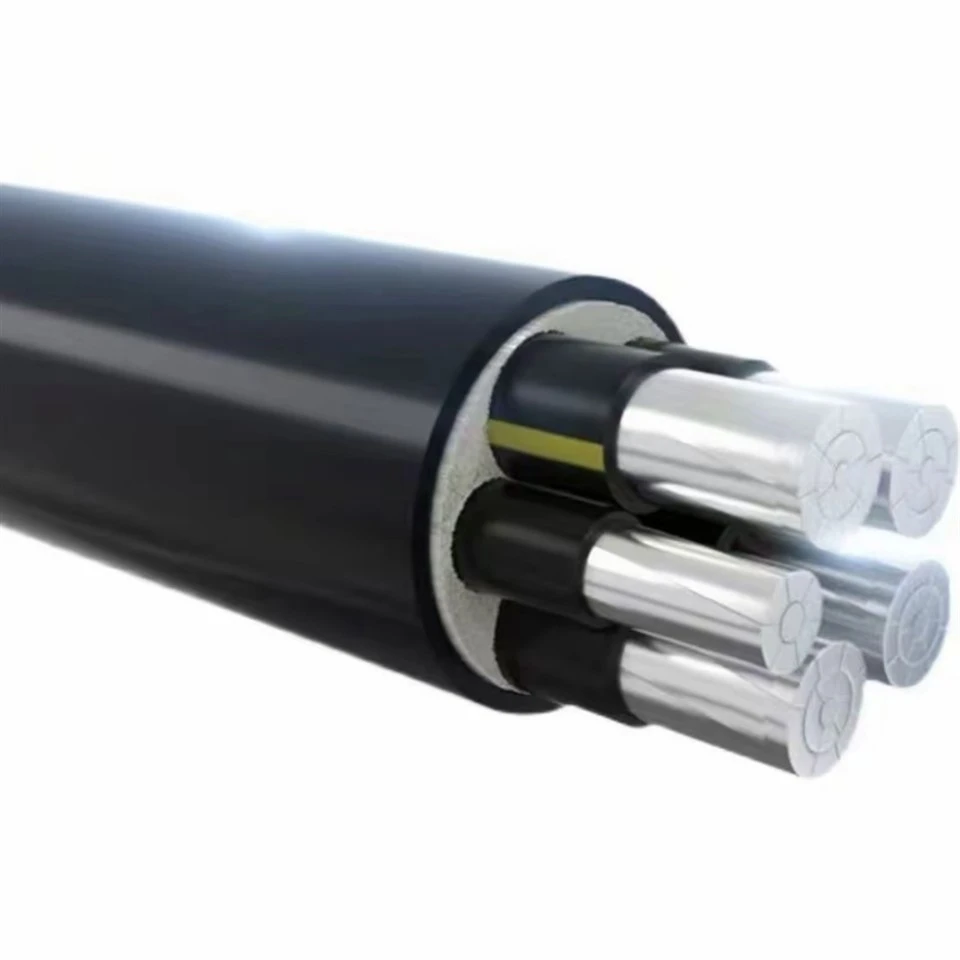
The construction of outdoor low voltage cables is optimized for durability. They usually have a tough outer sheath made of materials like PVC (Polyvinyl Chloride) or polyethylene, which provides protection against moisture, abrasion, and chemicals. The conductors inside the cable are often made of copper or aluminum, chosen for their good electrical conductivity.
The Requirements of Electric Fences
Electric fences work by delivering a brief but intense electric shock to any animal or person that comes into contact with them. To achieve this, the fence requires a power source that can generate a high voltage, typically in the range of several thousand volts. The cable used in an electric fence must be able to carry this high voltage without significant power loss and also be able to withstand the mechanical stress caused by animals rubbing against it or the wind.
In addition to high voltage tolerance, electric fence cables need to be visible to animals to avoid accidental contact. Some cables are made with a combination of conductive and non - conductive materials to enhance visibility.
Can Outdoor Low Voltage Cable Be Used for Electric Fences?
The short answer is that it depends. In some cases, outdoor low voltage cables may not be suitable for electric fences. The main reason is the voltage difference. Outdoor low voltage cables are designed for low - voltage applications, and using them in an electric fence that requires a high voltage can lead to several issues.
Firstly, if the cable is not rated for the high voltage of the electric fence, it may break down electrically. This can result in power loss, reduced effectiveness of the fence, and in some cases, even pose a fire hazard. Secondly, the insulation of outdoor low voltage cables may not be sufficient to prevent electrical leakage. Leakage can not only waste energy but also reduce the shock intensity of the fence and make it less effective at containing or deterring animals.
However, there are some situations where outdoor low voltage cables might be considered. For small - scale, low - intensity electric fences, such as those used for keeping small pets or poultry in a confined area, a modified outdoor low voltage cable could potentially be used. In such cases, the voltage requirements of the fence are relatively low, and the stress on the cable is also minimal.
Alternatives to Outdoor Low Voltage Cables for Electric Fences
If outdoor low voltage cables are not suitable, what are the alternatives? One common option is the High Tension Electric Cable. High - tension cables are specifically designed to carry high voltages safely. They have thick insulation and are made from materials that can withstand the electrical stress associated with high - voltage applications. These cables are ideal for large - scale electric fences used for cattle or other large livestock.
Another option is the Aluminum Alloy Cable. Aluminum alloy cables offer a good balance between conductivity and cost. They are lighter than copper cables, which can make them easier to install, especially for long - distance electric fences. The alloy composition also provides good corrosion resistance, making them suitable for outdoor use.
Making the Right Choice
When deciding whether to use outdoor low voltage cable for an electric fence, several factors need to be considered. First, determine the voltage requirements of the fence. If the fence requires a high voltage, it is recommended to use a high - tension cable. Second, consider the scale of the fence. For small - scale fences, a modified outdoor low voltage cable might be acceptable, but for large - scale applications, high - quality electric fence - specific cables are a better choice.
Third, think about the environment in which the fence will be installed. If the area is prone to harsh weather conditions, such as heavy rain, snow, or strong winds, the cable needs to be able to withstand these elements. Also, consider the type of animals the fence is intended to contain or deter. For more powerful animals, a more robust cable is required.
Contact for Procurement
If you're still uncertain about which cable is best for your electric fence project, or if you're interested in purchasing outdoor low voltage cables, high - tension electric cables, or aluminum alloy cables, I'd be more than happy to assist you. Feel free to reach out to discuss your specific requirements, and we can work together to find the most suitable solution for your needs.

References
- Electrical Installation Handbook, Schneider Electric
- National Electrical Code (NEC)
- Industry standards for electric fence cables