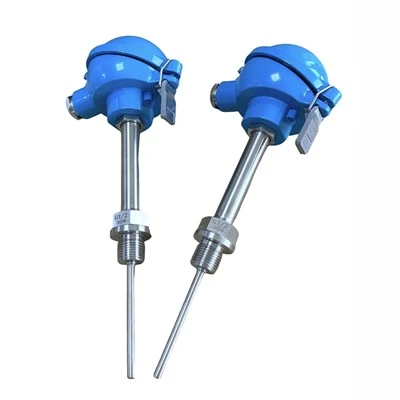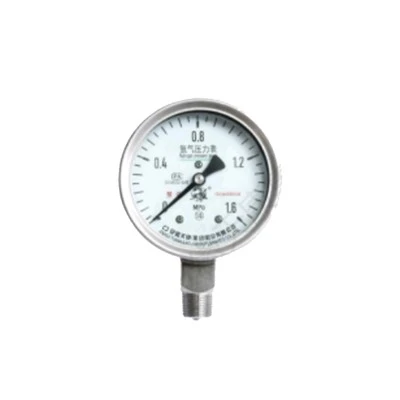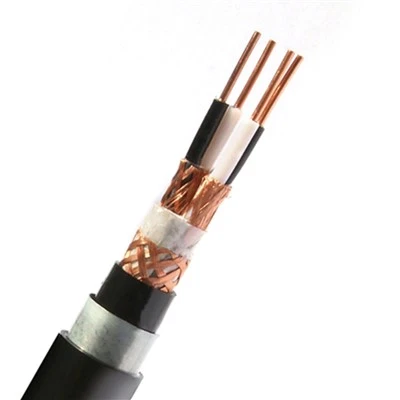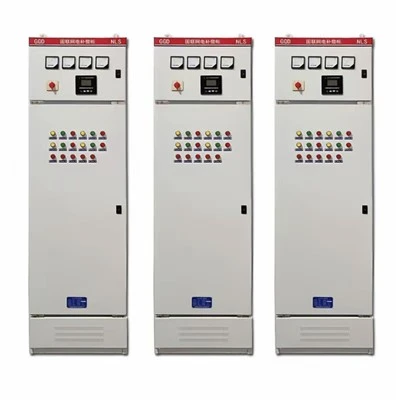
Instrumentation finds extensive application across sectors such as industry, agriculture, transportation, science and technology, environmental protection, national defense, education, healthcare, and daily life. It serves as a guardian and guide in the operations of various industries within the national economy. Given its pivotal status and significant impact-acting as a powerful multiplier and driver for economic growth-the sector enjoys robust market demand and immense potential for development.
As human society enters the era of the knowledge economy and information technology advances rapidly, instrumentation and its associated measurement and control technologies are being increasingly adopted, creating a prime opportunity for the industry's swift expansion.
Instrumentation is both a source and an integral component of the information industry, serving as a crucial foundation for information technology. Academician Qian Xuesen famously remarked on the new technological revolution: "The key technology of the new technological revolution is information technology; information technology comprises measurement technology, computer technology, and communication technology, with measurement technology serving as the key and foundation." Internationally, the information technology production sector is defined as encompassing three industries: computers, communications, and instrumentation.
Instrumentation is widely applied in the measurement and control of processes used to equip and upgrade traditional industries; it is a vital component of modern, large-scale, complete equipment sets and serves as a crucial link in driving industrialization through information technology. As equipment sophistication increases, instrumentation now accounts for approximately 18% of the total investment in engineering equipment; for instance, one-third of the investment in modern technical equipment for Baosteel was allocated to the procurement of instruments and automatic control systems.
Acting as the sensory nervous system of the industrial sector, instrumentation is deeply integrating with next-generation information technologies-such as artificial intelligence and big data-to propel industrial control systems from passive command execution toward active, intelligent cognition, thereby supporting the digital transformation and high-quality development of the manufacturing industry.
Instrumentation has become a critical component of technical equipment for modern national defense. Instruments and computers account for one-third of the fixed assets in China's aerospace industry, while instrumentation costs represent roughly half of the total development budget for launch vehicles. High-precision guidance and control systems for missiles, aerospace precision measurement, infrared imaging, and specialized high-temperature experimental equipment are all key products within the national defense arsenal.
Instrumentation is widely adopted as a vital implementation tool and safeguard in efforts to explore sustainable development, mitigate natural disasters, and uphold the rule of law-specifically in enforcing regulations related to quality, commodity inspection, metrology, and environmental protection.