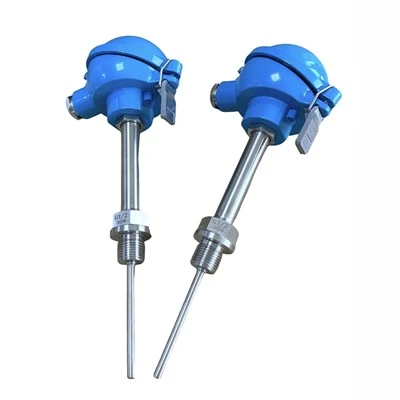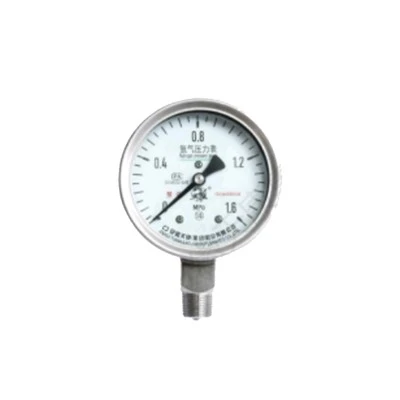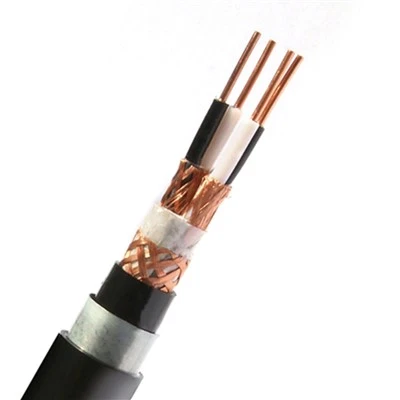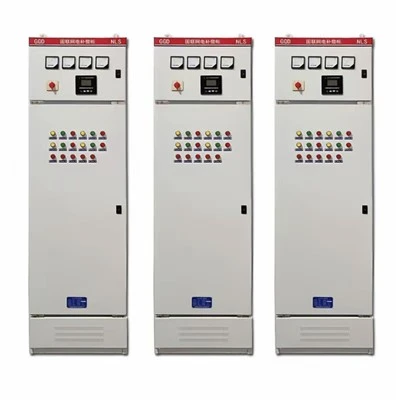
Temperature instruments are a subset of the broader category of instrumentation; common examples include thermometers, temperature recorders, and temperature transmitters.
Temperature measurement instruments can be classified into two main categories based on the measurement method: contact and non-contact. Contact-type instruments are generally simple, reliable, and offer high measurement accuracy. However, because the sensing element requires sufficient heat exchange with the medium to reach thermal equilibrium, there is a time lag in measurement; additionally, due to material limitations regarding high-temperature resistance, they cannot be used for extremely high-temperature applications. Non-contact instruments measure temperature based on thermal radiation principles; the sensing element does not touch the medium, allowing for a wide measurement range without an upper limit. They do not disturb the temperature field of the object being measured and generally offer faster response times. However, they are susceptible to external factors such as object emissivity, measurement distance, smoke, dust, and moisture, which can result in larger measurement errors. Common contact-type instruments include liquid-in-glass thermometers, bimetallic thermometers, thermocouples, and resistance temperature detectors (RTDs), while infrared thermometers and infrared thermal imagers are representative of non-contact instruments.
Temperature instrumentation is typically divided into primary and secondary instruments. Primary instruments usually include thermocouples, RTDs, bimetallic thermometers, and local temperature indicators. Secondary instruments typically include temperature recorders, temperature scanners, temperature displays, temperature controllers, and temperature transmitters. With technological advancements, the functions of secondary instruments are becoming increasingly integrated and intelligent; for instance, smart digital thermometers/recorders combine sensing, signal processing, display, data storage, and communication capabilities into a single unit, while smart measurement and control instruments offer multiple functions such as display, control, signal transmission, communication, and universal signal input.