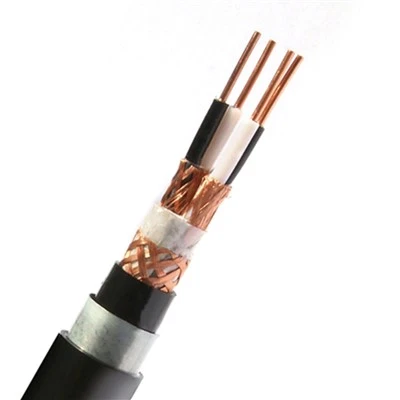
Power cables, as part of the power line, are widely used because they are low in failure rate, safe and reliable, and flexible in deployment. But once a fault occurs, it is difficult and risky to repair, so extra care should be taken during maintenance and testing.
Things to watch out for while working
When working, you must identify the cables that need maintenance. There are two types of cables that require maintenance:
cables with terminal head faults and cables with obvious surface faults. These faulty cables show clear signs and are easy to identify.
Cables without exposed fault points. For such faulty cables, besides checking documents and verifying the cable name, it is also necessary to use a cable identifier to distinguish it from other live cables in operation, especially when there are many cables in the same section. It is particularly important to strictly distinguish the cables that need maintenance from other live cables. This also effectively prevents accidents caused by incorrectly identifying cables due to wrong cable tags. Cutting a cable must have reliable safety measures. Before cutting a cable, you must confirm that it is indeed the cable that needs to be cut and that it is de-energised. Then, after driving a grounded iron spike into the cable core using a wooden handle (preferably with an epoxy handle), work can begin. The person holding the wooden handle should wear insulating gloves and stand on an insulating mat, paying special attention to ensure good grounding of the iron spike.
(2) When moving cables at work, be careful and avoid rough handling to prevent damage to other operating cables. Make sure cable ends are installed according to the process requirements to ensure quality and eliminate potential hazards. After cable repair, carefully check the phases at both ends of the cable, remove the old phase markers, and put on the correct phase markers to avoid mixing up the old and new phases.