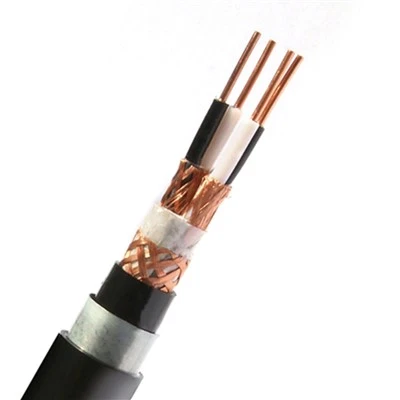
Specialty cables are widely used in specialized sectors such as defense, aerospace, petrochemicals, nuclear power plants, and rail transit; their safety and standardization systems are crucial for ensuring reliable operation in these extreme environments. These cables possess characteristics such as flame retardancy, high-temperature resistance, oil resistance, and high-voltage tolerance, making them essential components in advanced equipment.
Production Safety and Accident Case Studies
Standards and Certification Systems
Common international and domestic certifications for specialty cables include ISO 9001, ISO 14000, China's CCC certification, US UL certification, and EU CE certification.
Testing and Performance Verification
Key tests conducted to ensure the safety and reliability of specialty cables include electrical performance tests, such as resistance and insulation resistance measurements. Electrical performance testing is a critical verification step.
Compliance and Selection Guidelines
Specialty cables must comply with national standards such as GB/T 12706, GB/T 19666, and GB/T 11017. Common pitfalls during selection include overlooking environmental parameters, prioritizing low prices over quality, and disregarding installation specifications; for instance, a chemical plant once experienced a short-circuit accident caused by insulation aging after incorrectly selecting standard cables instead of specialty ones. Risk mitigation strategies include selecting corrosion-resistant models in accordance with standards like GB/T 19216.