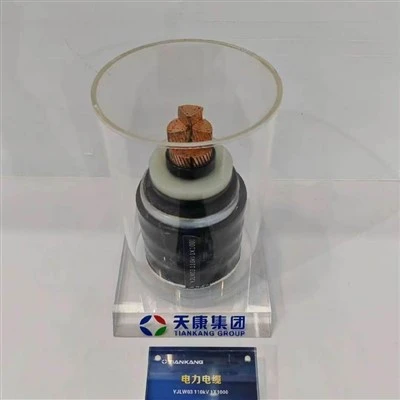
So, you're probably sitting there, scratching your head and thinking, "Can I cut a power cable to a shorter length?" Well, you've come to the right place. As a power cables supplier, I've seen it all, and I'm here to break it down for you.
First things first, let's talk about why you might want to cut a power cable. Maybe the cable that came with your device is way too long, and it's creating a tripping hazard or just making a mess. Or perhaps you're doing a DIY project and need a custom length. Whatever the reason, it's a common question, and the answer isn't always straightforward.
The Basics of Power Cables
Before we dive into whether you can cut a power cable, it's important to understand the different types of power cables out there. There are all sorts of cables for different purposes, like Outdoor Low Voltage Cable, High Tension Electric Cable, and Aluminum Alloy Cable. Each type has its own characteristics and requirements.
Low voltage cables, like the ones used for outdoor lighting or some small electronics, are generally safer and easier to work with. They carry less electrical current, so the risk of electric shock is lower. On the other hand, high tension electric cables are designed to carry large amounts of electricity over long distances. These are the big, thick cables you see on power poles, and they're extremely dangerous to cut without the proper training and equipment.
Can You Cut a Power Cable?
The short answer is, it depends. For some types of cables, cutting them to a shorter length is perfectly fine, as long as you do it correctly. For example, if you have a simple power cord for a lamp or a small appliance, you can usually trim it down without any major issues. Just make sure you use the right tools, like a sharp pair of wire cutters, and follow some basic safety precautions.
However, there are some situations where cutting a power cable is a big no-no. If the cable is part of a complex electrical system, like the wiring in your house or a commercial building, you should never cut it yourself. This kind of work requires a licensed electrician who knows how to handle the electrical connections properly and ensure that everything is safe.
Another thing to consider is the warranty. Cutting a power cable may void the warranty on your device or the cable itself. So, if your device is still under warranty, it's a good idea to check with the manufacturer before you make any cuts.
How to Cut a Power Cable Safely
If you've decided that it's okay to cut your power cable, here's a step-by-step guide on how to do it safely:
- Turn off the power: This is the most important step. Before you start cutting, make sure the power to the cable is turned off. This will prevent you from getting an electric shock.
- Gather your tools: You'll need a sharp pair of wire cutters, some electrical tape, and possibly a soldering iron if you need to reconnect the wires.
- Measure and mark the cable: Decide how much you want to cut off, and use a ruler or a measuring tape to mark the cable. Make sure you leave enough length to make the necessary connections.
- Cut the cable: Use the wire cutters to carefully cut through the cable at the marked point. Try to make a clean cut to avoid frayed wires.
- Strip the wires: Once you've cut the cable, you'll need to strip the insulation off the ends of the wires. Use a wire stripper to remove about half an inch of insulation from each wire.
- Reconnect the wires: If you're cutting the cable in the middle, you'll need to reconnect the wires. You can do this by twisting the ends of the wires together and covering them with electrical tape. If you want a more secure connection, you can use a soldering iron to solder the wires together.
- Test the cable: After you've reconnected the wires, turn the power back on and test the cable to make sure it's working properly.
Potential Risks of Cutting a Power Cable
Even if you follow all the safety precautions, there are still some potential risks associated with cutting a power cable. One of the biggest risks is creating a loose connection. If the wires aren't properly connected, it can cause a short circuit, which can lead to a fire or damage to your device.
Another risk is damaging the insulation. The insulation on a power cable is there to protect you from getting an electric shock, and if it's damaged, it can expose the wires and increase the risk of injury.
When to Call a Professional
As I mentioned earlier, there are some situations where it's best to call a professional. If you're not sure whether it's safe to cut a power cable, or if you're dealing with a complex electrical system, it's always a good idea to hire a licensed electrician. They have the knowledge and experience to handle the job safely and ensure that everything is up to code.


Conclusion
So, can you cut a power cable to a shorter length? The answer is yes, but only in certain situations and if you do it correctly. Before you start cutting, make sure you understand the type of cable you're dealing with and the potential risks involved. If you're not comfortable doing the job yourself, don't hesitate to call a professional.
If you're in the market for power cables, whether it's Outdoor Low Voltage Cable, High Tension Electric Cable, or Aluminum Alloy Cable, we've got you covered. We're a leading power cables supplier, and we offer a wide range of high-quality cables at competitive prices. If you have any questions or need help choosing the right cable for your needs, feel free to reach out and start a procurement discussion with us.
References
- National Electrical Code (NEC)
- Electrical Safety Foundation International (ESFI)