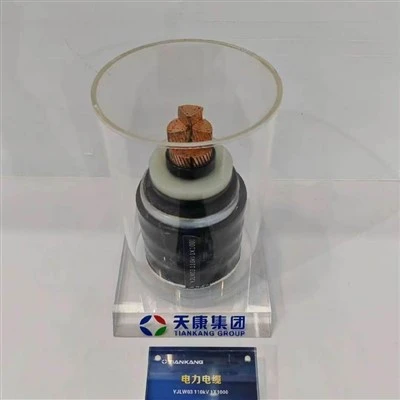
Hey there! As a supplier of Aluminum Alloy Cable, I've seen firsthand how important it is to protect these cables from rodents and termites. These pests can cause significant damage to cables, leading to costly repairs and even system failures. So, let's dive into the various anti - rodent and anti - termite measures for aluminum alloy cables.
Why Protection is Needed
Rodents, like rats and mice, have a habit of chewing on things to keep their teeth sharp. Aluminum alloy cables, unfortunately, are not spared from their chewing sprees. Their gnawing can expose the conductors inside the cable, leading to short - circuits, electrical failures, and potential safety hazards.
Termites, on the other hand, are attracted to the insulation materials used in cables. They feed on the organic components in the insulation, gradually weakening it. Over time, this can compromise the integrity of the cable, affecting its performance and lifespan.
Anti - Rodent Measures
Physical Barriers
One of the simplest and most effective ways to protect aluminum alloy cables from rodents is by using physical barriers. This can include installing cable troughs or conduits. These structures act as a shield, preventing rodents from directly accessing the cables. For example, PVC conduits are commonly used as they are durable and relatively inexpensive. They can be easily installed in both indoor and outdoor settings.
Another option is wire mesh. Wrapping the cables with a fine - gauge wire mesh can prevent rodents from reaching the cable surface. The mesh should be tightly woven so that rodents cannot bite through it or squeeze through the gaps.


Chemical Repellents
Chemical repellents can also be used to keep rodents away from aluminum alloy cables. There are two main types: natural and synthetic. Natural repellents often contain ingredients like peppermint oil, garlic, or capsaicin. These substances emit strong odors that rodents find unpleasant and avoid.
Synthetic repellents, on the other hand, are formulated with chemicals specifically designed to repel rodents. These can be applied directly to the cable insulation or the surrounding area. However, when using chemical repellents, it's important to ensure that they are safe for the cable materials and the environment.
Ultrasonic Devices
Ultrasonic devices emit high - frequency sound waves that are inaudible to humans but can be very irritating to rodents. These devices can be placed near the cables or in the areas where the cables are installed. They work by creating an uncomfortable environment for the rodents, forcing them to stay away. The effectiveness of ultrasonic devices can vary depending on factors such as the size of the area and the presence of obstacles that can block the sound waves.
Anti - Termite Measures
Chemical Treatments
Chemical treatments are a popular way to protect aluminum alloy cables from termites. There are several types of chemicals available, including termiticides. These chemicals can be applied to the cable insulation during the manufacturing process or to the soil around the cable installation area.
One common type of termiticide is a non - repellent termiticide. These chemicals are not detected by termites, allowing them to come into contact with the treated area. Once the termites come into contact with the termiticide, they carry it back to their colony, effectively spreading the treatment and eliminating the entire termite population.
Termite - Resistant Materials
Using termite - resistant materials for cable insulation can also provide long - term protection. Some manufacturers offer cables with insulation made from materials that are naturally resistant to termite attacks. For example, some types of cross - linked polyethylene (XLPE) insulation have been shown to have good termite resistance properties.
Physical Barriers for Termites
Similar to the anti - rodent measures, physical barriers can also be used against termites. For underground cable installations, a layer of crushed stone or gravel can be placed around the cable. This layer acts as a physical barrier, making it difficult for termites to reach the cable. Additionally, installing a metal barrier around the cable can prevent termites from chewing through to the insulation.
Integration of Anti - Rodent and Anti - Termite Measures
In many cases, it's necessary to implement a combination of anti - rodent and anti - termite measures. For example, when installing High Tension Electric Cable or Outdoor Low Voltage Cable, using a cable trough (a physical barrier) and applying a chemical treatment that repels both rodents and termites can provide comprehensive protection.
Moreover, regular inspections of the cable installation are crucial. By checking for signs of rodent or termite activity, such as chew marks or termite tunnels, potential issues can be identified early and appropriate measures can be taken.
Importance for Different Applications
Industrial Applications
In industrial settings, aluminum alloy cables are widely used due to their high conductivity and relatively low cost. However, a single cable failure caused by rodent or termite damage can lead to significant production downtime. Implementing effective anti - rodent and anti - termite measures is essential to ensure the continuous operation of industrial equipment and processes.
Residential Applications
In residential areas, damaged cables can pose a safety risk, such as electrical fires. Protecting aluminum alloy cables used in homes from rodents and termites is necessary to safeguard the property and the lives of the residents.
Conclusion
In conclusion, protecting Aluminum Alloy Cable from rodents and termites is of utmost importance. By using a combination of physical barriers, chemical treatments, and the right materials, we can ensure the long - term performance and safety of these cables.
If you're in the market for aluminum alloy cables or need advice on anti - rodent and anti - termite measures, don't hesitate to reach out. We're here to help you find the best solutions for your specific needs. Whether it's for a small residential project or a large - scale industrial application, we've got you covered. Get in touch with us for procurement and let's discuss how we can protect your cables and your investment.
References
- Carpaneto, G. M., Ferrari, G., & Miller, R. L. (2007). Rodent control and urban public health. Vector - borne and zoonotic diseases, 7(3), 264 - 276.
- Su, N. Y., & Scheffrahn, R. H. (1998). Biology of invasive termites: a global review. Annual Review of Entomology, 43(1), 207 - 226.