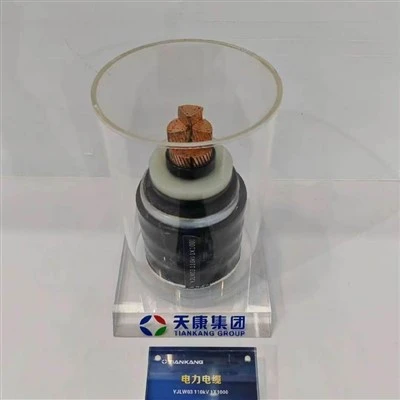
Color - coding systems for high tension electric cables play a crucial role in the electrical industry. As a high - tension electric cable supplier, I am well - versed in these systems and their significance. In this blog post, I'll delve into the details of color - coding for high - tension electric cables, exploring why it's important, the common color - coding standards, and how it impacts our business and customers.
Why Color - Coding Matters
Color - coding is not just about aesthetics; it serves several practical purposes. First and foremost, it enhances safety. In high - tension electrical systems, where the risks of electric shock, short circuits, and fires are high, being able to quickly identify different cables is essential. For example, during maintenance or emergency repairs, technicians can easily recognize the purpose of each cable by its color, reducing the likelihood of making dangerous mistakes.
Secondly, color - coding improves efficiency. When installing or troubleshooting high - tension electric cables, workers can save a significant amount of time by quickly distinguishing between cables. This leads to faster project completion times and less downtime in electrical systems.


Common Color - Coding Standards
There are several international and regional standards for color - coding high - tension electric cables. One of the most widely recognized is the standard set by the International Electrotechnical Commission (IEC).
IEC Standards
Under IEC 60446, which deals with the identification of conductors by colors or numerals, the following color - coding is commonly used for high - tension cables:
- Phase Conductors: In a three - phase system, the phase conductors are typically colored brown, black, and gray. This color scheme helps in clearly identifying each phase, which is crucial for proper electrical connection and load balancing. For example, in a large industrial power distribution system, the correct connection of these phases ensures the smooth operation of machinery and equipment.
- Neutral Conductors: The neutral conductor is usually colored blue. This is important because it helps in distinguishing the neutral from the phase conductors, especially in systems where single - phase and three - phase loads coexist.
- Protective Earth (PE) Conductors: These are colored green - yellow. The green - yellow color is a universal symbol for protective grounding, and it is used to ensure that any fault current is safely diverted to the ground, protecting both personnel and equipment from electrical hazards.
National and Regional Variations
While the IEC standards are widely adopted, there are some national and regional variations. For instance, in the United States, the National Electrical Code (NEC) has its own color - coding requirements. In a high - tension system, phase conductors may be colored black, red, and blue, and the neutral conductor is white or gray. These differences can pose challenges for international projects and require careful attention to ensure compliance.
Our Role as a High Tension Electric Cable Supplier
As a High Tension Electric Cable supplier, we are committed to adhering to the highest color - coding standards. We understand that our customers rely on us to provide cables that are not only of high quality but also compliant with the relevant color - coding regulations.
When manufacturing our high - tension electric cables, we use high - quality pigments and dyes to ensure that the color - coding is clear, durable, and resistant to fading. This is important because over time, exposure to sunlight, moisture, and other environmental factors can cause the colors to fade, making it difficult to identify the cables accurately.
We also offer a wide range of high - tension electric cables with different color - coding options to meet the diverse needs of our customers. Whether they are working on a small - scale commercial project or a large - scale industrial installation, we can provide the right cables with the appropriate color - coding.
Impact on Customers
For our customers, the proper color - coding of high - tension electric cables has several benefits. Firstly, it simplifies the installation process. Electricians and technicians can easily follow the color - coding guidelines, reducing the time and effort required for cable installation. This is especially important in large - scale projects where time is of the essence.
Secondly, it enhances the safety of the electrical system. By being able to quickly identify different cables, workers can avoid making mistakes that could lead to electrical accidents. This not only protects the workers but also the equipment and the overall electrical infrastructure.
Finally, it ensures compliance with local and international regulations. Many electrical codes and standards require the use of specific color - coding for high - tension electric cables. By using our compliant cables, our customers can avoid costly fines and legal issues.
Other Types of Cables in Our Portfolio
In addition to high - tension electric cables, we also offer a variety of other cables, such as Aluminum Alloy Cable and Outdoor Low Voltage Cable. These cables also follow their own color - coding standards.
Aluminum alloy cables are often used in applications where weight and cost are important factors. They are typically color - coded according to the same principles as high - tension electric cables, with phase, neutral, and protective earth conductors clearly marked. This ensures that they can be easily integrated into existing electrical systems.
Outdoor low - voltage cables, on the other hand, are designed for use in outdoor environments. They are often exposed to harsh weather conditions, so their color - coding needs to be even more durable. We use special coatings and pigments to ensure that the color - coding remains visible and legible over time.
Contact for Procurement
If you are in the market for high - tension electric cables, aluminum alloy cables, or outdoor low - voltage cables, we would love to hear from you. Our team of experts is ready to assist you in choosing the right cables for your project, providing you with detailed information about color - coding and other technical specifications. Whether you are a small - scale contractor or a large - scale industrial enterprise, we have the solutions to meet your needs.
References
- International Electrotechnical Commission (IEC). IEC 60446: Identification of conductors by colors or numerals.
- National Fire Protection Association (NFPA). National Electrical Code (NEC).