Classification by insulation material
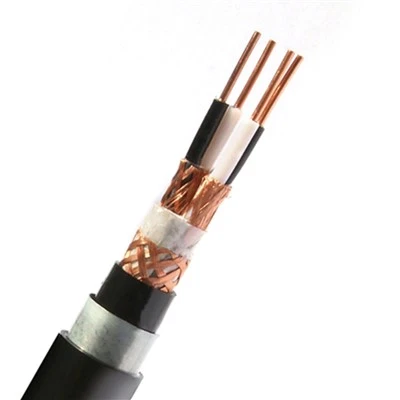
1. Oil-impregnated paper insulated power cables: Power cables using oil-impregnated paper as insulation. They have the longest history of use and are safe, reliable, durable, and cost-effective. Their main drawback is that installation is limited by elevation differences. The development of non-draining impregnated paper insulation resolved this limitation, allowing these cables to remain in widespread use.
2. Plastic insulated power cables: Power cables with an insulation layer made of extruded plastic. Common plastics include PVC, polyethylene (PE), and cross-linked polyethylene (XLPE). These cables feature simple construction, ease of manufacture, and light weight; they are easy to install and are not restricted by elevation differences. Consequently, they are widely used for medium- and low-voltage applications and are trending toward replacing viscous oil-impregnated paper cables. Their primary disadvantage is susceptibility to "treeing" (electrical treeing) breakdown, which limits their use at higher voltages.
3. Rubber insulated power cables: Cables where the insulation layer consists of rubber mixed with various additives; this compound is thoroughly blended, extruded onto the conductor core, and then heat-vulcanized. These cables are flexible and elastic, making them suitable for applications requiring frequent movement or tight bending radii during installation.
Commonly used insulating rubber compounds include natural rubber/styrene-butadiene rubber (SBR) blends, ethylene-propylene rubber (EPR), and butyl rubber.
Classification by voltage level
Based on voltage level, cables can be classified into medium- and low-voltage power cables (35 kV and below), high-voltage cables (above 110 kV), extra-high-voltage cables (275–800 kV), and ultra-high-voltage cables (1000 kV and above). Additionally, they can be classified by current type into AC cables and DC cables.