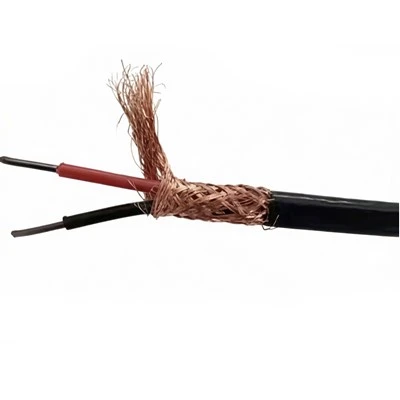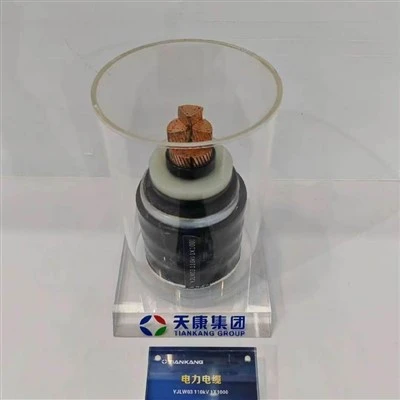
Hey there! As a Compensation Wire supplier, I often get asked about the safety factor of compensation wire. Today, I'm gonna dive deep into this topic and shed some light on what it really means and why it's super important.
First off, let's explain what compensation wire is. Compensation Wire is a type of cable used in temperature measurement systems. It's designed to mimic the thermoelectric properties of a thermocouple to accurately transfer the temperature - related voltage from the thermocouple to the measuring instrument. But when we talk about the safety factor, we're looking at several aspects that ensure the reliable and safe operation of these wires.
One of the key safety factors is electrical insulation. Compensation wires need to have proper insulation to prevent short - circuits. If the insulation breaks down, it can lead to all sorts of problems, like inaccurate temperature readings or even electrical hazards. High - quality insulation materials are used in the manufacturing of compensation wires. These materials can withstand different environmental conditions, such as high humidity, chemicals, and mechanical stress. For example, some insulation materials are resistant to oils and solvents, which is crucial if the compensation wire is used in an industrial setting where these substances are present.
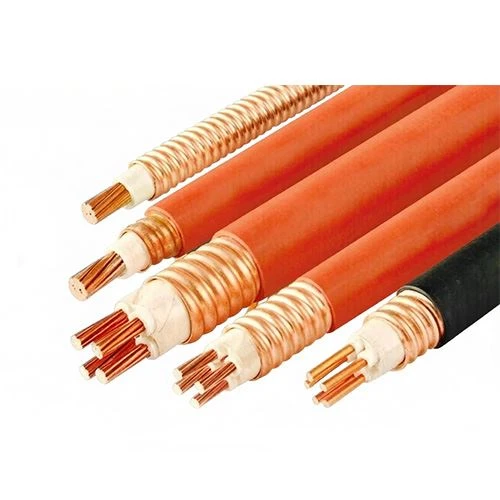

Another important safety aspect is the resistance to temperature extremes. High Temperature Resistant Cable is a great example in this context. Compensation wires are often used in applications where temperatures can get really high or really low. In high - temperature environments, the wire must maintain its electrical properties without melting or degrading. On the other hand, in low - temperature settings, the wire should remain flexible enough to avoid cracking. If the wire can't handle the temperature, it may fail, and that can result in system malfunctions and safety risks.
Mechanical durability is also a big deal. The wire has to withstand the normal wear and tear that comes with installation and use. For instance, it may be bent, pulled, or twisted during the setup process. A good compensation wire should have a certain level of flexibility without breaking its internal conductors. This is related to the construction of the wire. Some wires have multiple layers of protection around the conductors, and others use special alloys for the conductors themselves to enhance their strength and durability.
Now, let's talk about electromagnetic interference (EMI). In today's industrial and technological landscape, there are all kinds of electrical devices around. These devices can generate electromagnetic fields that may interfere with the signals carried by the compensation wire. To combat this, many compensation wires are designed with shielding. A Shielded Computer Cable is similar in the sense that it uses shielding to protect the signal. The shielding in compensation wires helps to keep out external EMI, ensuring that the temperature - related voltage signals are accurately transmitted.
In addition to these technical aspects, the safety factor also depends on proper installation and maintenance. If the wire is not installed correctly, it can lead to issues down the road. For example, if the connections are loose, it can cause poor electrical conductivity and inaccurate readings. And regular maintenance is essential. Inspecting the wire for any signs of damage, like cuts in the insulation or corrosion on the conductors, can prevent potential safety problems.
When choosing a compensation wire, you have to consider your specific application requirements. Different industries have different needs. For example, in the aerospace industry, the safety standards are extremely high, and the compensation wire needs to meet strict performance and durability criteria. In contrast, a less - critical application, like a small - scale laboratory setup, may have more lenient requirements.
It's also worth mentioning that the safety factor of compensation wire is related to its compatibility with other components in the temperature measurement system. It has to work well with the thermocouple, the measuring instrument, and any other cables or connectors in the system. Incompatible components can lead to communication problems, inaccurate readings, and possible safety issues.
Moreover, the quality control during the manufacturing process plays a huge role in determining the safety factor. A reliable supplier will have strict quality control measures in place. This includes testing the electrical properties, the insulation resistance, and the mechanical strength of the wire at various stages of production. By ensuring high - quality production, the supplier can provide a compensation wire that meets or exceeds safety standards.
Now, let's compare compensation wire with some other types of cables. A Universal Control Cable, for example, is used for a wide range of control applications, but it may not have the specific thermoelectric properties required for temperature measurement. While a shielded computer cable, as mentioned earlier, focuses more on data transmission and protection against EMI in computer - related systems. High - temperature resistant cables are great for withstanding heat, but not all of them are designed for the precise temperature - related voltage transfer like compensation wires are.
To sum it all up, the safety factor of compensation wire is a multi - faceted concept that encompasses electrical insulation, temperature resistance, mechanical durability, EMI protection, proper installation, and compatibility with other components. As a supplier, I'm committed to providing high - quality compensation wires that meet the highest safety standards.
If you're in the market for compensation wire or have any questions about its safety factor or other aspects, feel free to reach out for a chat. We can discuss your specific needs and find the best solution for your application. Whether you're working in a large industrial plant or a small research facility, having the right compensation wire is crucial for the safety and accuracy of your temperature measurement system.
References:
- General knowledge of cable technology and industry standards
- Insights from years of working in the compensation wire supply business