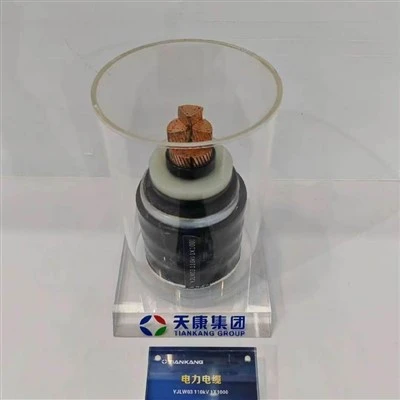
Hey there, electrical enthusiasts! As a supplier of top - notch electrical equipment, I know how crucial it is to keep your gear in tip - top shape. One of the most important aspects of maintaining electrical equipment is checking its insulation. A good insulation system can prevent electrical shocks, short - circuits, and equipment failures. So, let's dive into how you can check the insulation of electrical equipment.
Why Insulation Checks Matter
Before we get into the how - to, let's quickly talk about why insulation checks are a big deal. Electrical insulation acts as a barrier to keep the current flowing where it's supposed to go. Over time, insulation can degrade due to factors like heat, moisture, mechanical stress, and chemical exposure. When the insulation goes bad, it can lead to all sorts of problems, from minor glitches to major safety hazards. Regular insulation checks can catch these issues early, saving you time, money, and potential headaches.
Tools You'll Need
To check the insulation of electrical equipment, you'll need a few basic tools. The most important one is an insulation resistance tester, also known as a megohmmeter or “megger.” This device measures the resistance of the insulation. A higher resistance value means better insulation. You'll also need personal protective equipment (PPE) like insulated gloves and safety glasses to keep yourself safe while working with electrical gear.


If you're checking large electrical systems, a clamp - on ammeter can also come in handy to measure current without breaking the circuit. And don't forget a good set of screwdrivers and wrenches to open up equipment panels and access the parts you need to test.
Pre - Check Preparations
Before you start testing, you need to do some prep work. First, make sure the equipment is turned off and disconnected from the power source. You don't want to get zapped! Then, clean the equipment’s surface to remove any dirt, dust, or moisture that could affect the test results.
If the equipment has any capacitors, you need to discharge them properly. Capacitors can store electrical energy even after the power is off, and a sudden discharge can be dangerous. Use a suitable discharge tool to safely drain the capacitors.
How to Perform an Insulation Resistance Test
Now, let's get to the actual test. Connect the leads of the megger to the points where you want to measure the insulation resistance. Usually, you'll connect one lead to the conductor (like a wire) and the other to the equipment's grounded metal frame.
Once the leads are connected, start the megger. The test voltage is typically set to 500V or 1000V, depending on the equipment’s rated voltage. After a certain period, usually 60 seconds, the megger will give you a resistance reading.
Compare the reading to the manufacturer's specifications. If the resistance is significantly lower than the recommended value, it could mean the insulation is damaged. Keep in mind that environmental factors like temperature and humidity can also affect the resistance reading, so make sure to note these conditions when you perform the test.
Special Considerations for Different Types of Equipment
Different types of electrical equipment may require special testing procedures. For example, Distro Power Box often used in large - scale electrical distribution, need to be tested thoroughly at multiple points. You may need to test the insulation between different phases and between phases and ground.
Low Tension Switchgear is another critical component. When testing switchgear, you should pay special attention to the contacts and the insulating materials around them. Over time, arcing can damage the insulation, so a detailed visual inspection along with the insulation resistance test is necessary.
Cable Insulation Checks
Cables are an integral part of electrical systems. When checking the insulation of cables, such as Universal Control Cable, Compensation Wire, and Shielded Computer Cable, you need to expose the cable terminals and make sure they are clean.
For multi - core cables, test the insulation between each core and between the cores and the cable shield or ground. If the cable is long, you may need to test at multiple points along its length to detect any localized insulation problems.
Post - Test Actions
After you've completed the insulation test, take some time to document the results. Write down the resistance values, the test conditions, and any observations you made during the test. This documentation can be useful for future reference and for demonstrating compliance with safety regulations.
If the test results show that the insulation is in poor condition, decide whether to repair or replace the equipment. Minor insulation damage can sometimes be repaired, but in many cases, it's better to replace the damaged part to ensure long - term safety and reliability.
Regular Insulation Maintenance
Checking the insulation is not a one - time thing. It should be part of a regular maintenance schedule. Depending on the type of equipment and its operating environment, you may need to perform insulation checks monthly, quarterly, or annually.
Regular maintenance also includes keeping the equipment clean and dry, and protecting it from extreme temperatures and harsh chemicals. By taking these preventive measures, you can extend the life of the insulation and reduce the risk of electrical problems.
Reach Out for Quality Equipment and Advice
If you're in the market for high - quality electrical equipment or need more advice on insulation checks, don't hesitate to reach out. As a supplier, I’m here to help you find the right products for your needs and ensure that your electrical systems are safe and efficient. Whether you're looking for robust Distro Power Boxes, reliable Low Tension Switchgear, or top - notch cables, we've got you covered. Let's have a chat about your procurement needs and see how we can work together to keep your electrical projects running smoothly.
References
- Electrical Wiring Handbook by Thomas J. Ferguson
- National Electrical Code (NEC)
- IEEE standards on electrical equipment testing and maintenance