Hey there! As a supplier of flow instruments, I've dealt with all sorts of flow meters, including the popular vortex flow instruments. While they're great for many applications, they're not without their downsides. In this blog, I'll share some of the disadvantages of vortex flow instruments based on my experience in the field.
Accuracy Limitations
One of the biggest drawbacks of vortex flow instruments is their accuracy. These meters rely on the principle of vortex shedding, where a bluff body placed in the flow path creates vortices. The frequency of these vortices is then measured to calculate the flow rate. However, this method can be affected by several factors.

For instance, changes in fluid density and viscosity can have a significant impact on the accuracy of vortex flow meters. If the fluid properties vary during the operation, the meter may not provide accurate readings. Also, the presence of entrained gases or solids in the fluid can disrupt the vortex shedding pattern, leading to measurement errors.
In applications where high precision is required, such as in chemical processing or custody transfer, the accuracy limitations of vortex flow instruments can be a major issue. For more accurate measurements in these scenarios, you might want to consider other options like the Electromagnetic Digital Flow Meter, which is less affected by fluid properties.
Limited Flow Range
Vortex flow instruments typically have a limited flow range. They work best within a specific flow velocity range. Outside of this range, the performance of the meter can degrade significantly.
At low flow rates, the vortices may not be strong enough to be accurately detected, resulting in unreliable readings. On the other hand, at high flow rates, the meter may experience issues such as overloading or damage to the bluff body.
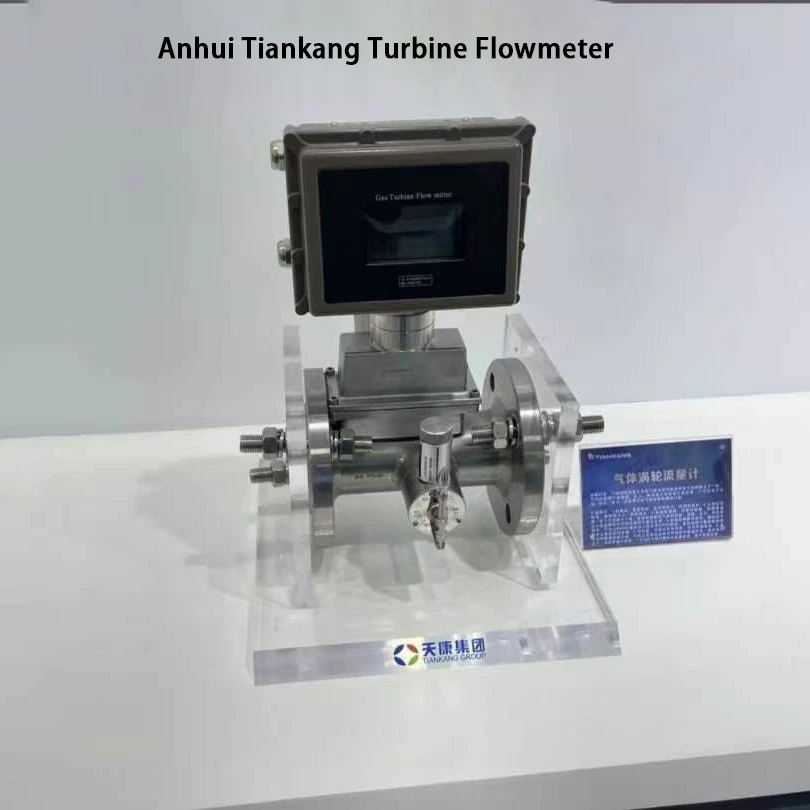
This limited flow range can be a problem in applications where the flow rate can vary widely. For example, in a water distribution system where the demand fluctuates throughout the day, a vortex flow meter may not be able to provide accurate measurements at all flow conditions. In such cases, a Stainless Steel Turbine Flow Meter might be a better choice as it can handle a wider range of flow rates.
Sensitivity to Piping Conditions
Vortex flow instruments are quite sensitive to the piping conditions around them. The installation requirements for these meters are quite strict. They need to have a certain length of straight pipe upstream and downstream to ensure a stable and uniform flow profile.
If the piping has bends, elbows, valves, or other disturbances near the meter, it can cause the flow to become turbulent. This turbulence can affect the vortex shedding pattern and lead to inaccurate measurements. In some cases, the meter may even stop working properly.
Installing the necessary straight pipe sections can be expensive and may not always be feasible, especially in retrofit projects. In comparison, an Electromagnetic Digital Flow Meter is less sensitive to piping conditions and can provide more reliable measurements in less-than-ideal installation situations.
High Initial Cost
Another disadvantage of vortex flow instruments is their relatively high initial cost. These meters are more complex in design compared to some other types of flow meters, which drives up the price.
In addition to the cost of the meter itself, there are also installation costs to consider. As mentioned earlier, the strict piping requirements mean that additional piping work may be needed, which can add to the overall expense.
For budget - conscious projects or applications where cost is a major factor, vortex flow instruments may not be the most cost - effective option. You might want to look at more affordable alternatives like some basic mechanical flow meters. However, if you're looking for a High - quality Flow Meter with good performance, the initial investment in a vortex flow meter might be justified in the long run.
Maintenance Requirements
Vortex flow instruments require regular maintenance to ensure their proper functioning. The bluff body, which is a critical component of the meter, can get damaged or fouled over time. If it accumulates debris or gets corroded, it can affect the vortex shedding pattern and lead to measurement errors.
Regular cleaning and inspection of the bluff body are necessary to prevent these issues. Also, the electronics of the meter need to be checked periodically to ensure accurate signal processing.
This maintenance can be time - consuming and may require skilled personnel. In contrast, some other flow meters, like the Vortex Water Flow Meter, may have lower maintenance requirements, especially if they are designed for clean water applications.
Limited to Specific Fluids
Vortex flow instruments are generally suitable for clean, single - phase fluids. They may not work well with fluids that have high viscosity or contain a large amount of entrained particles or gases.
High - viscosity fluids can dampen the vortex shedding, making it difficult to accurately measure the flow rate. Fluids with a lot of particles or gases can damage the bluff body and disrupt the flow pattern, leading to inaccurate measurements.
If you're dealing with non - standard fluids, you'll need to look for other types of flow meters that are more suitable for those specific applications.
Conclusion
While vortex flow instruments have their advantages, such as being relatively simple in operation and having no moving parts in some designs, they also come with several disadvantages. From accuracy limitations and limited flow range to sensitivity to piping conditions, high initial cost, maintenance requirements, and limited fluid compatibility, these factors need to be carefully considered when choosing a flow meter for your application.
As a flow instrument supplier, I'm here to help you make the right choice. If you're facing any challenges with your flow measurement needs or are not sure which type of meter is best for your application, don't hesitate to reach out for a bit of professional advice. We can discuss your specific requirements in detail and guide you to the most suitable solution, whether it's a vortex flow instrument or another type of High - quality Flow Meter we offer. Let's have a chat and see how we can meet your flow measurement needs!
References
- Technical literature on vortex flow meters from leading manufacturers.
- Industry standards and best practices for flow measurement.